
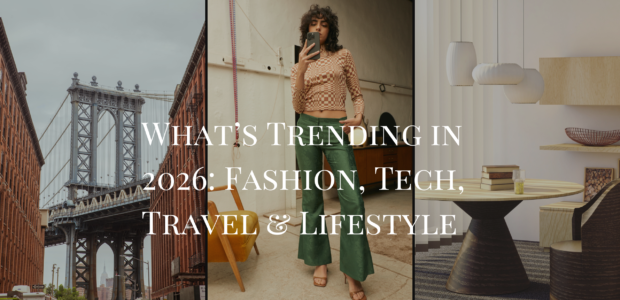
2026 is bringing major changes to the way people dress, shop, travel, use technology, and enjoy everyday life. From AI-powered experiences and smarter travel planning to expressive fashion and more value-conscious shopping, this year’s trends are combining convenience with individuality.
Here are some of the biggest trends shaping 2026.
1. Fashion Is Becoming More Expressive
Fashion in 2026 is moving toward individual expression, bold details, and updated classic pieces. Current autumn coverage highlights colorful shades, fringe, animal prints, wide-leg silhouettes, olive tones, and vintage-inspired styling.
Instead of following one specific aesthetic, shoppers are mixing different influences to create personalized outfits. Vintage pieces, sporty clothing, statement accessories, and modern tailoring can all work together.
Popular fashion ideas in 2026:
- Bold and expressive colors
- Wide-leg trousers and jeans
- Fringe details
- Animal-print accessories
- Vintage-inspired clothing
- Sporty and utility-inspired looks
- Statement bags and shoes
- Mixing classic and modern styles
2. AI Is Changing Everyday Technology
Artificial intelligence continues to influence everything from shopping and work to entertainment and personal devices.
One notable 2026 technology trend is the development of AI-powered wearables. Smart glasses and other wearable devices are becoming more connected to AI, with potential uses including voice interaction, image recognition, and personalized assistance.
AI is also changing how consumers discover products. Fashion-industry research points to the growing importance of AI shopping agents that can help consumers find products based on their preferences and purchasing history.
3. Smart Shopping Is Growing
Consumers are becoming increasingly interested in value, convenience, and personalized recommendations. McKinsey’s 2026 consumer research identifies technology-driven shopping and resourceful consumers as major trends.
For shoppers, this means comparing prices, using coupons, looking for seasonal promotions, and researching products before making purchases can become an even bigger part of the shopping journey.
This is especially useful for anyone trying to enjoy new trends without spending unnecessarily.
4. Travel Is Becoming More Personalized
Travel in 2026 is increasingly about creating trips around personal interests and experiences rather than simply visiting famous destinations.
Travel research shows growing interest in AI-assisted trip planning, solo travel, extended business trips, and more personalized itineraries.
Travelers are also exploring pop-culture destinations, multi-city adventures, luxury experiences, and creative getaways.
Travel trends to watch:
- AI-assisted trip planning
- Solo travel
- Multi-destination trips
- Pop-culture travel
- Personalized itineraries
- Experience-focused vacations
- Short city breaks
- Luxury and unique stays
5. AI-Powered Travel Planning
Planning a trip can now involve much more than searching for hotels and flights manually.
Generative AI is increasingly being used for travel planning, with Deloitte reporting that nearly one-quarter of travelers surveyed had used generative AI tools for trip planning in late 2025.
Travelers can increasingly use technology to organize ideas, compare destinations, create itineraries, and discover activities.
However, checking prices, availability, travel requirements, and official booking information is still important before making reservations.
6. Wellness Is Becoming Part of Everyday Life
Wellness is no longer limited to gyms or occasional self-care days. In 2026, consumers are increasingly interested in ways to incorporate health, relaxation, movement, and better routines into everyday life.
Wearable technology is also contributing to this trend by helping people monitor aspects of their daily activity and personal routines. McKinsey identifies the health revolution as one of the major consumer trends shaping 2026.
Simple habits such as walking, exercising, sleeping consistently, taking breaks, and spending time away from screens can all support a more balanced lifestyle.
7. Technology Is Becoming More Stylish
Technology isn’t only becoming smarter—it is also becoming part of personal style.
Fashion and technology are increasingly overlapping through smart glasses, headphones, wearable devices, and tech accessories. Vogue’s 2026 fashion-tech outlook highlights the rise of technology designed to function as a visible fashion accessory.
This creates a new approach to gadgets: consumers may consider how a device looks and fits their personality alongside its technical features.
8. Sustainability and Resale Remain Important
Sustainability continues to influence fashion and shopping decisions. Resale is one of the themes highlighted in McKinsey’s 2026 fashion outlook, while current industry discussions are also focusing on circularity, materials, waste reduction, and more sustainable supply chains.
Buying secondhand, repairing clothing, choosing versatile pieces, and avoiding unnecessary purchases are practical ways consumers can participate in this shift.
9. The Lifestyle Trend: More Personal, Less Predictable
Perhaps the biggest trend of 2026 is personalization.
People are increasingly combining different interests rather than following one lifestyle formula. Someone might combine vintage fashion with modern technology, use AI to plan an adventure trip, shop through resale platforms, and prioritize wellness at home.
This mix-and-match approach makes lifestyle trends more flexible and personal.
Final Thoughts
From fashion and technology to travel and wellness, 2026 is defined by personalization, smarter technology, expressive style, and more conscious spending.
The most interesting trends aren’t necessarily about buying the newest product or following every viral idea. They are about finding useful trends that fit your budget, personality, interests, and everyday routine.