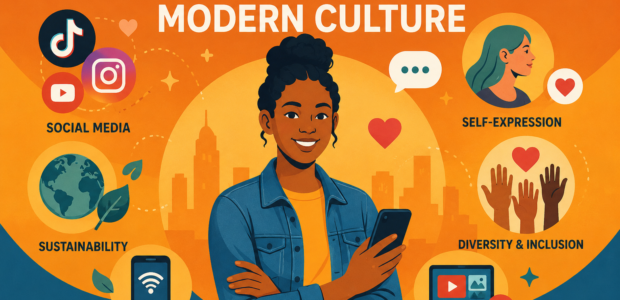
Generation Z, commonly known as Gen Z, includes people born between 1997 and 2012. As digital natives, they have grown up with smartphones, social media, and instant access to information. Their values, habits, and preferences are reshaping modern culture in significant ways. From fashion and technology to education, business, and entertainment, Gen Z is influencing how society communicates, shops, works, and lives.
1. Digital-First Lifestyle
Unlike previous generations, Gen Z has never experienced a world without the internet. They spend much of their time online for learning, shopping, entertainment, and social interaction.
Key Characteristics:
- Heavy use of smartphones and mobile apps.
- Preference for short-form videos on platforms like TikTok, Instagram Reels, and YouTube Shorts.
- Fast adoption of new technologies and AI-powered tools.
- Online communities influence opinions and trends.
Digital connectivity has become an essential part of everyday life, making Gen Z one of the most technologically advanced generations.
2. Social Media Shapes Culture
Social media has become a powerful force in modern culture because of Gen Z.
Major Impacts:
- Viral trends spread globally within hours.
- Everyday users become influencers and creators.
- Brands communicate directly with consumers.
- Authentic and relatable content performs better than polished advertisements.
Gen Z values transparency and creativity, encouraging businesses and creators to focus on genuine storytelling.
3. Changing Fashion Trends
Gen Z has transformed fashion by embracing individuality rather than following strict style rules.
Popular Fashion Choices:
- Oversized clothing
- Vintage and thrift shopping
- Streetwear
- Gender-neutral fashion
- Sustainable clothing
Instead of expensive luxury brands alone, many Gen Z consumers mix affordable fashion with unique personal styles.
4. Focus on Sustainability
Environmental awareness is one of Gen Z’s defining characteristics.
Sustainable Habits:
- Buying eco-friendly products.
- Supporting ethical brands.
- Recycling and reducing waste.
- Choosing reusable items over disposable products.
- Supporting second-hand clothing markets.
Companies increasingly promote sustainable practices because Gen Z consumers expect responsible business behavior.
5. Redefining Work Culture
Gen Z views careers differently from previous generations.
Workplace Priorities:
- Flexible working hours.
- Remote and hybrid work.
- Work-life balance.
- Continuous learning.
- Meaningful careers over traditional job security.
Many young professionals also pursue freelancing, entrepreneurship, and content creation as full-time careers.
6. The Rise of the Creator Economy
Gen Z has helped create a booming creator economy.
Popular Career Paths:
- YouTubers
- TikTok creators
- Twitch streamers
- Podcasters
- Bloggers
- Digital artists
- Online educators
Many young people earn income through sponsorships, affiliate marketing, online stores, and digital products.
7. Online Shopping Habits
Gen Z has changed the way businesses sell products.
Shopping Preferences:
- Mobile shopping.
- Influencer recommendations.
- User reviews before purchasing.
- Fast shipping.
- Personalized shopping experiences.
Brands now invest heavily in social commerce because Gen Z often discovers products through social media.
8. Education Is Becoming More Flexible
Traditional education is evolving to meet Gen Z’s learning preferences.
Modern Learning Trends:
- Online courses.
- AI study assistants.
- Educational YouTube channels.
- Interactive learning apps.
- Self-paced learning.
Many students combine formal education with online certifications to build practical skills.
9. Entertainment Has Changed
Gen Z consumes entertainment differently than older generations.
Current Trends:
- Streaming platforms over cable TV.
- Short-form videos.
- Podcasts.
- Gaming communities.
- Interactive live streams.
Gaming has become both entertainment and a social activity where people connect with friends worldwide.
10. Diversity and Inclusion Matter
Gen Z strongly supports diversity and equal opportunities.
Important Values:
- Respect for different cultures.
- Inclusive workplaces.
- Equal opportunities.
- Representation in media.
- Acceptance of diverse perspectives.
These values are encouraging organizations to build more inclusive products, workplaces, and marketing campaigns.
11. Mental Health Awareness
Mental health conversations are more open because Gen Z is helping reduce stigma.
Healthy Practices:
- Seeking professional support when needed.
- Practicing mindfulness.
- Setting healthy digital boundaries.
- Prioritizing self-care.
- Discussing emotional well-being openly.
Many schools and workplaces now offer more mental health resources in response to these changing expectations.
12. AI Is Becoming Part of Everyday Life
Gen Z quickly adopts artificial intelligence for everyday tasks.
Popular AI Uses:
- Homework assistance.
- Content creation.
- Graphic design.
- Coding help.
- Language translation.
- Productivity tools.
Rather than replacing creativity, AI is often used as a tool to enhance learning and efficiency.
Challenges Facing Gen Z
Despite their strengths, Gen Z also faces several challenges:
- Rising cost of living.
- Competitive job markets.
- Information overload.
- Social media pressure.
- Digital privacy concerns.
- Economic uncertainty.
Addressing these challenges will require collaboration among governments, educators, businesses, and communities.
Future Outlook
As Gen Z enters leadership positions, their influence will continue to grow. Businesses, educators, and policymakers are increasingly adapting to their expectations by prioritizing innovation, sustainability, flexibility, and digital experiences. Their impact is likely to shape the future of technology, work, education, entertainment, and consumer behavior for many years.
Conclusion
Gen Z is changing modern culture by embracing technology, encouraging sustainability, redefining work, supporting diversity, and driving digital innovation. Their focus on authenticity, creativity, and social responsibility is influencing industries around the world. As this generation continues to grow in economic and cultural influence, its ideas and values will help shape a more connected, inclusive, and technology-driven future.